Ah yes. The USSR. I mean in any analysis of 1984 the three nations that always are talked about are the Soviet Union, the United States, and China. Oftentimes people focus on the Government Style of the USSR, the Patriot act and governmental spying of the USA, and China… well, government style and government spying. China is scary… (Also notice how these three nations are the three seen in the book, with the USA being the founder of Oceania, USSR of Eurasia, and China of Eastasia!)
But anyway, back to the USSR. More specifically, what their history can show us about how governments must be run in order to last for long periods of time.
Authoritarian governments straight up can’t invest in their own people if they want to stay in power. It’s just how it works. Any dime spent on the people is a dime not spent on keeping your party and military loyal to you (no man rules alone). It’s money that an opponent could promise to people in power in order to oust the current ruler. They need most of the money going towards maintaining power. As for anything that’s left? Well, Goldstein perfectly outlined what these leftovers must be used for in his manifesto, stating, “War is a way of shattering to pieces, or pouring into the stratosphere, or sinking in the depths of the sea, materials which might otherwise be used to make the masses too comfortable, and hence, in the long run, too intelligent”
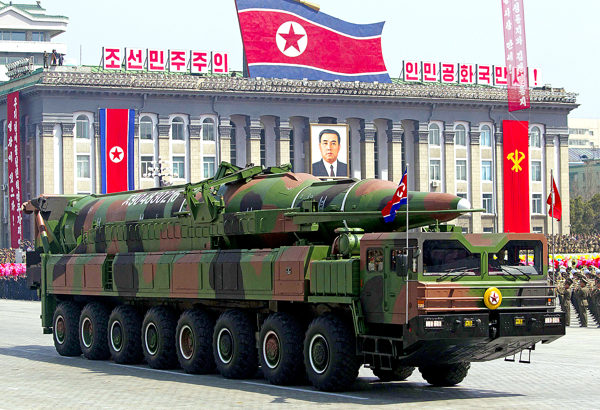
War. War is the perfect answer. (Or in the Soviet Union’s case, preparation for war via devoting ridiculous amounts of money into the creation of Nuclear Warheads). As a dictator, you can’t let your citizens get too comfy. A moderately educated and decently fed population who are intelligent enough to know that their lives could be better “under new management” make the perfect rebels. But a starving, isolated, and completely uneducated population? They’re incapable of rebelling. And there’s just not enough money to keep the party members/ military loyal AND to provide enough to the “proles” of the nation in order to keep them well fed and loyal.
“But…” you say, “Wouldn’t the proles be outraged that any leftover money isn’t being used to help them, no matter how stupid they are?” Not if it’s being used for war! Humans value safety above all else, and if you tell them that all this money is being used to protect them, they won’t be mad when you tell them that their chocolate ration has been decreased “in the name of national defense!”. They’re alive. They may be starving, but they’re thankful for being kept alive.
It is because of this fundamental rule for Authoritarians that the USSR finally collapsed in 1991. The leadership got soft. They cut military funding and finally began investing into their own people. The government began to invest in improving living situations in key cities like Leningrad in and around 1985, and they eased up censorship laws allowing people to see what life was like outside of the USSR. The result? People realized how much their lives suck and how authoritarianism pretty much always leads to mass poverty. They got intelligent enough and comfortable enough to where they realized they needed a new government.
Authoritarian states need war or threat of war in order to survive. They need an ignorant and scared populous, and without this they will collapse and fall. Keep that in mind if you ever wake up one morning and aspire to be like Big Brother… in order to keep power, others must suffer, whether they’re aware of their suffering or not.
 Dawn and Dusk
Fantastic analysis of the three superstates and their depiction in 1984 through a more careful examination of the purpose of war and power. I am haunted by your epiphany that to retain power, some one must be suffering…especially considering our simulation of the totalitarian state!
LikeLike