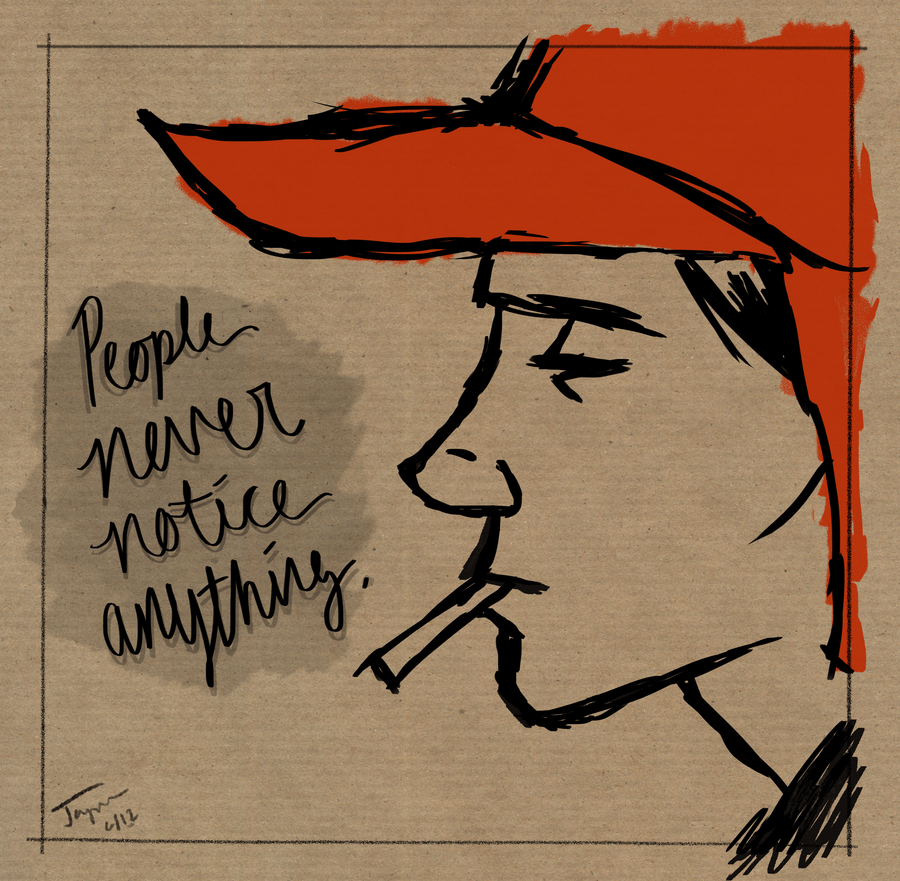
Yep, The Catcher in the Rye. Look, I had a range of ideas for what to do for the free week. I was wanting to do something psychological and slightly philosophical because that’s the stuff that interests me most, and overall writing about certain topics allows me to further understand them and forces me to ask myself a lot of questions, which is a perfect way for me to reflect without entering endless loops of thought.
I started writing something about the paradox of satisfaction, and how we can never be truly satisfied with where we are in life even after becoming what you viewed as your ideal self at one point in time. However, I argued that this was the very principle that made life exciting and intriguing, and overall made us better people as a result of never being truly satisfied. I got a couple of paragraphs in, and then… well, let’s just say I got distracted. Now it’s almost midnight and I’d rather not write at all right now… so…
I’ve been re-reading The Catcher in the Rye recently (yeah, I know, ok), half because of my recent infatuation with ducks and wishing to further analyze the duck metaphor in the book…
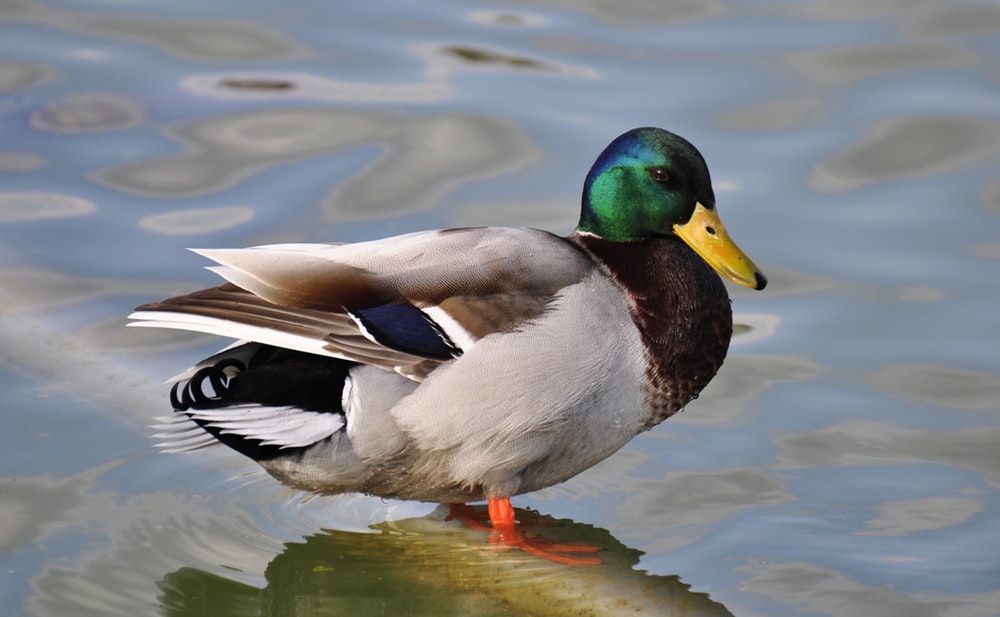
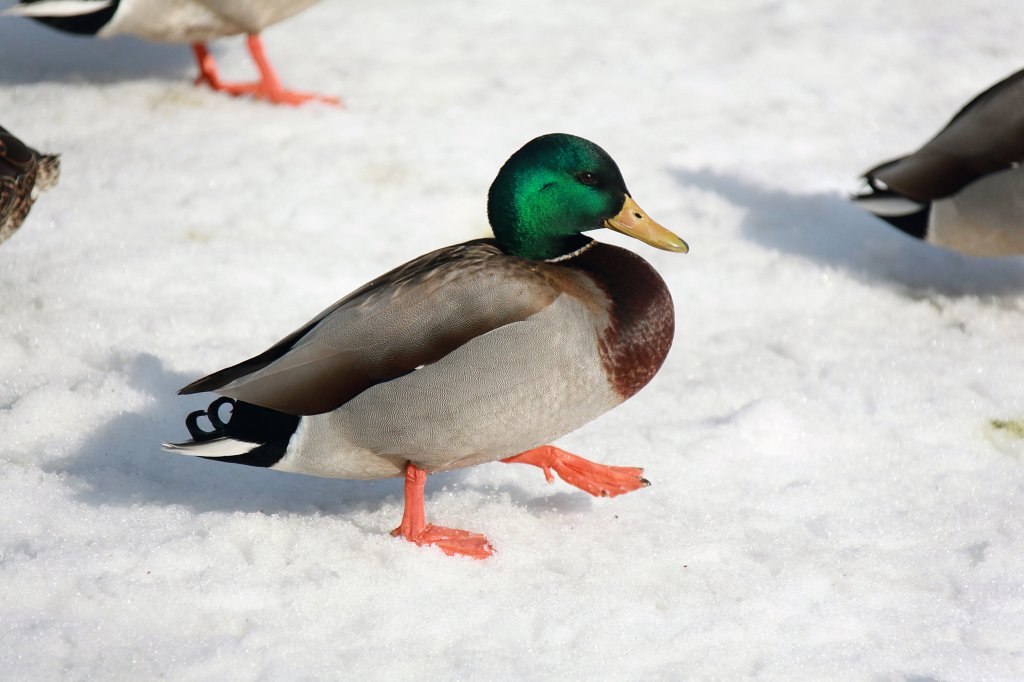
C’mon, just look at those little cuties!!! What’s not to love?! They are one of the only animals on the planet that can swim, fly, and walk on land!!! THAT’S SO FLIPPING COOL!!!!! (More on that later)
… but anyway, overall I just figured it was time to reread the book, since it has sooo much symbolism in it that I couldn’t appreciate when I hadn’t yet begun to develop an AP Lit brain yet. So, as I was reading in my spare time, I created a google doc where I could write about any symbolism I found in the book. I will literally just be copying and pasting it below. Yeah, some of it is basic stuff, but was stuff I hadn’t picked up on Junior year… to be fair I was bad at picking up on a lot of stuff Junior year so… just saying. Anyway! Here we go! (Quick disclosure, this will really only make sense if you’ve read the book before, I didn’t add a ton of direct evidence because I was never planning on sharing this with anyone, I used it as a place to jot down thoughts and how symbols tie into the central themes of the book: childhood innocence, trauma, exc. This is all the hamburger with none of the meat if you will. Regardless, enjoy! (Also I’m only like 70 pages in so it’s not a ton. The introduction to it is longer, but I’ll consider the first part of this post a life update. Yeah!))
Catcher in the Rye Analysis:
Holden breaking the windows in the garage after Allie’s death: Windows are often seen as symbols for dreams, aspirations, and goals. However, Holden’s destruction of the windows after his brother Allie’s death “Without really knowing [he] was doing it” shows how Allie’s death subconsciously stunted Holden from every achieving his aspirations, as he was engulfed in grief to the point where he no longer tried. Additionally, as Windows act as barriers to the outside world, Holden’s destruction of them symbolizes how Allie’s death shattered Holden’s innocence,and let the adult world take hold of him. He lost his childhood through the residual trauma he received because of it.
Unable to form a fist after shattering windows: Shows how he lost the ability to fight in the world and stand up for himself after the death of Allie.
Jane keeping all of her kings in the back row: Holden hopes that her childhood friend Jane still keeps all of her kings in the back row while playing checkers because if she does, it means she has maintained a childlike innocence and hasn’t been consumed by the teachings of “practicality” in the adult world. Plus, the move is a metaphor for Holden, who has physically grown up but hasn’t moved on or done anything with the powers and freedoms that are associated with older age.
Allie’s Baseball Mitt: Represents being able to handle what life throws at a person. Allie was able to do this, Holden was not. He carries around the mitt in hopes to one day be more like his brother: better adapted to be adaptable.
Ducks: Ducks represent the virtue of adaptability, as they are versatile creatures that can fly, swim, and waddle in order to obtain resources and food. Holden asks continually “Were do the ducks in the pond go when the pond freezes over?”, but what he’s really asking is “What do people do when times get rough? And why do people always seem to be able to adapt to their situation, but I can’t seem to do the same? (Yes, he views other people as metaphorical ducks. Quack Quack!)
Stradlater Characternym: Straddle means “to sit with one’s legs wide apart”…. Straddle later…. Wooowww J.D.
Ackley: This one is waaaaay to obvious for me to have only just now noticed it…
Holden Caulfield: He’s “Holdin’” on to his past and his childhood innocence. His dream is to “Call out” to kids in a “Field” of rye to warn them of the cliff of adulthood.
 Dawn and Dusk
Forgot to add it….
Cheers!
LikeLike
I have to agree ducks are pretty amazing! 🦆
I appreciate you sharing your insight on all of the details that you found reading “Catcher” a second time. Did not really pick up on all of that Junior year either so I appreciate AP Lit brain analysis!
LikeLiked by 1 person
First off, I love the title of the post! I also love how you analyzed the book overall as a whole, instead of focusing on just one element of the novel. I think you give a pretty all-encompassing view of the book. Great post!
LikeLike
Nailed it, Daniel! EPIC! I loved the parallel of “Holden asks continually ‘Where do the ducks in the pond go when the pond freezes over?’, but what he’s really asking is ‘What do people do when times get rough?'” Really insightful analysis here with the fun mind-blowing-do-you-think-the-author-did-that-on-purpose stuff!
LikeLike